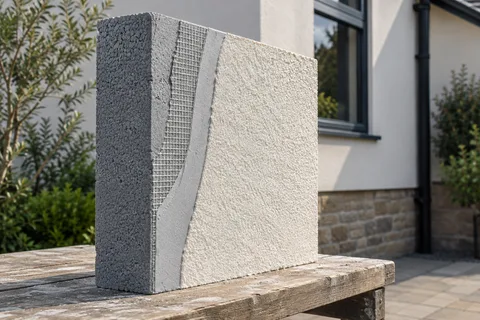
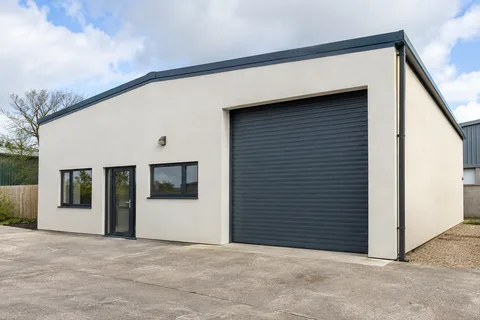
Prove the coating approach before broad application
Render respraying in Knutsford | Coating trials and colour
A render colour change can be a focused project where the existing surface is suitable. The useful question is not simply which paint to use, but what preparation and application the actual wall can support. In Knutsford, a coating trial can help define that work for a home or an occupied business frontage. Its purpose should be clear: establish the relevant surface response and appearance before extending a compatible treatment across the agreed area.

On this page
Establish the existing layers and their condition
The visible colour may sit over several earlier coatings and local repairs. A new product needs to suit that background, not an assumed original render hidden beneath it. Where records exist, use them. Where the layers are uncertain, the assessment should identify what must be resolved before specification. A product label alone cannot establish adhesion to an unknown, weakly attached surface.
Distinguish discolouration from physical failure. A faded elevation may be sound, while a neat-looking area can contain detached render or peeling underlying paint. Repair work needs to be identified separately where required. A decorative coat should not be sold as a replacement for investigating cracks, water-related defects or loss of bond that remain active beneath the surface.
- Clean Washed down, with algae and mould treated and left to work.
- Repair first Cracks and hollow patches are repaired before any coating.
- Prime or stabilise Where the coating maker requires it on that surface.
- Coating Usually two coats of a breathable masonry or silicone coating.
The usual order of work. The survey and the chosen products decide the actual steps.
Set a useful trial scope
Choose a representative area and identify what the trial is intended to demonstrate. It might test the preparation and finish on an existing coating or establish the visual effect of the proposed colour and texture. The relevant product guidance still governs suitability. A small visually acceptable patch is not independent proof that every technical requirement has been satisfied.
Allow the trial to reach the appropriate condition before reviewing it. Wet or recently applied material can look different from its finished appearance. Keep the product, method and location recorded, then decide whether the result supports the wider scope or calls for a revision. If other elevations have different backgrounds, assess their representativeness rather than automatically carrying the same conclusion around the building.
For commercial premises, agree a trial window that allows useful assessment without unnecessary conflict with operations. The work area still needs suitable protection and separation. A quiet period can help the trial proceed, but it should not conceal conditions that will affect the broader work, such as deliveries or people using the entrance.
| Question | Relevant observation |
|---|---|
| Preparation | How the assessed surface responds to the chosen method |
| Compatibility | Whether the product guidance supports the background |
| Appearance | Dry colour and texture at representative scale |
| Working method | Protection and access practicalities |
| Next step | Whether the scope needs revision before wider work |
Define preparation and repairs as distinct work
Cleaning, removal of weak coatings, local repairs and primer application are different operations. The quotation should say which are included and why. A general allowance for preparation can otherwise hide a substantial difference between proposals. If further defects become apparent, agree how the findings will be reviewed and any additional work authorised before broad application continues.
Where staining relates to an ongoing water source, resolve the relevant building or rainwater defect through the appropriate trade. Changing the colour does not stop the cause. The same applies to damaged fittings or junctions that interrupt the surface. The coating scope should connect to those repairs rather than assume they belong to somebody else without a programme or responsible person.
The existing system influences the decorative route. A silicone-rendered wall needs appropriate compatible care and coatings. Traditional lime work may require specialist consideration of the complete construction and retained layers. The phrase breathable exterior paint is too broad to establish suitability for either case without the relevant technical assessment.
Choose the colour at the scale of the frontage
View the trial or a representative sample beside retained doors, windows and masonry. A small indoor swatch does not show how a broad wall reads in its actual light. Where several textures will receive a coordinated colour, review each relevant surface. Similar colour references can appear different as the grain changes the pattern of light and shadow.
Keep the approved product and colour reference with the scope. Identify any separate treatment to reveals, plinths or other features. If a business has several people involved in approval, name the authorised decision-maker so the application team does not receive conflicting instructions. The sample should settle a clear choice rather than remain one of several informal preferences.


Plan the method around the surroundings
Respraying is often used as a general term for a colour change, but the actual application method should suit the product and setting. Spraying, rolling and brushing create different protection and working considerations. A narrow boundary, parked vehicles or a public entrance may influence the suitable arrangement. The quotation should explain the method rather than assume the service name determines it.
Access equipment and material handling need competent planning for the work. Agree how occupied routes are managed and what restrictions are necessary at each stage. Protection should cover retained surfaces and neighbouring property as relevant. A coating contract can be relatively limited in construction scope while still requiring careful site organisation.
Retain the new coating history
At handover, keep the preparation method, repairs and coating references. A whole-house project may include different treatments on separate elevations even when the final colour is uniform. Record those distinctions so the next repair or repaint can be assessed against known layers. The same information should reach a commercial building's maintenance manager.
A successful coating job leaves an appropriate new appearance on a suitable surface, with its limitations understood. The trial, defined preparation and clear records make that outcome easier to achieve than an unsupported promise that one product will refresh every façade in the same way.
Common questions
Does a successful small trial approve the entire building?
No. It provides information about the tested surface and method. Other elevations may have different coatings, repairs or conditions. The scope should identify where the trial is representative and where separate assessment remains necessary before the treatment is extended.
Can a coating job be completed while premises remain occupied?
Potentially, with a suitable plan for access, protection and the application method. Some areas or activities may need temporary restrictions. The operation should be assessed for the actual setting rather than an unrestricted-opening promise being attached to every quotation.
See housing and planning information for Knutsford and nearby places, including the source and geography behind each figure.