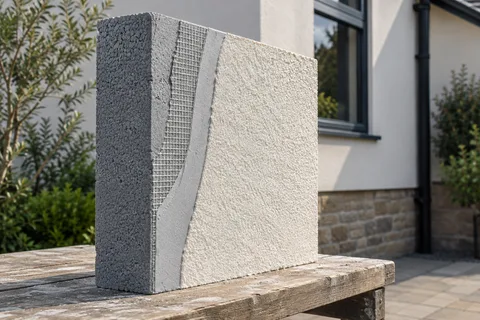
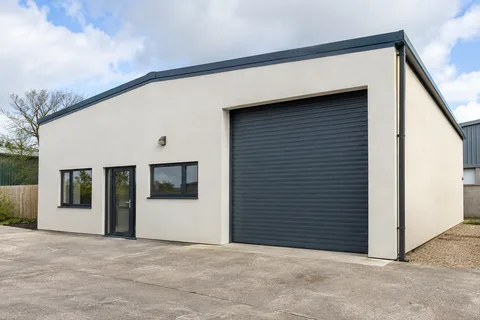
A trial that informs the full contract
Scheduling a commercial render coating trial
A coating trial is most useful when it answers a defined question. On commercial premises, it also needs a workable time and place so normal operations do not undermine the preparation or review. The trial should not become a hurried colour patch squeezed between deliveries, then treated as approval for every surface on the building. A concise brief can establish the background, method, operating arrangement and decision required before the wider contract proceeds.

On this page
Decide what the trial is intended to establish
For a Knutsford render colour-change project, the question may concern preparation of an existing coating, the appearance of a proposed finish or the practical application method. These are related but separate matters. Identify them clearly so a colour approval is not mistaken for acceptance of technical suitability. The product guidance and relevant assessment still need to support the proposed background.
The render respraying guide explains the wider scope: a coating works with a suitable existing surface and does not replace necessary repairs. If the wall has unresolved cracking, detachment or repeated wetting, the trial should not be used to bypass that investigation. Establish what needs to be addressed before a decorative test can meaningfully inform the project.
Choose a representative location
The easiest patch to reach may not represent the wall intended for treatment. Different elevations can carry different paints, repairs or contamination. Select a location that answers the relevant question and record why it was chosen. If more than one background is present, the project may need separate assessment rather than assume one small trial applies to all of them.
Keep the boundary identifiable. A labelled photograph and elevation reference help the reviewer locate the sample later, particularly when the trial takes place outside the decision-maker's normal hours. The record should distinguish the tested area from any adjoining cleaning or preparation that was not part of the approved method. This avoids attributing the wrong result to the wrong operation.
Consider the visual context as well. A colour trial should be viewed beside the materials that remain, at a scale useful for the intended frontage. If a sample is placed in permanent shade while the main elevation is open to sunlight, recognise that limitation. The trial can still provide information, but its location should not create false confidence about every viewing condition.
| Item | Agree in advance |
|---|---|
| Question | What the trial is intended to establish |
| Location | Why the surface represents the proposed work |
| Method | Preparation and product supported for the background |
| Work window | Access, protection and operating restrictions |
| Review | Appropriate stage and authorised decision-maker |
| Outcome | Proceed, revise or investigate further |
Agree a realistic work window
Discuss staff access, deliveries and visitors before scheduling the trial. A quieter operating period may reduce conflicts, but the area still needs suitable control and protection. Identify who opens the site, who is responsible for the work boundary and how unexpected arrivals are handled. An informal promise that nobody usually uses the entrance at that time is not a complete arrangement.
The window must also suit the material and preparation requirements. A convenient gap in the business timetable may be too short for the intended operation or inappropriate for the conditions. The contractor should explain what can be completed and what remains protected or restricted afterwards. The project should not compress the method merely to avoid acknowledging a necessary operational change.
Where access equipment is required, it must suit the work and be managed competently. The commercial rendering page describes why trial work, repair and broad application can involve different arrangements. A small sample does not remove the need to plan safe access simply because the quantity of material is limited.
Keep the trial method traceable
Identify the preparation, product and application method used, together with relevant conditions required by the specification. The record should be sufficient to understand what produced the sample. It need not become a laboratory report for every modest project, but a photograph of an anonymous painted patch is too little to support a later decision about the full scope.
If repair work is completed within the trial area, record it separately. Otherwise, a successful appearance may be attributed to coating alone when the tested surface received preparation that the main quotation does not include. This is a common comparison problem: the sample demonstrates one build-up while the broad contract describes another. Keep them aligned before approval.
For an existing silicone render system, use compatibility information appropriate to the installed finish. If the system is uncertain, explain how that uncertainty is addressed. A marketing description of a coating as universal or breathable does not establish that it is suitable for every retained layer.
Review it at the appropriate stage
The sample needs to reach the condition required for a meaningful assessment. Wet and recently applied finishes can look different from the eventual result, while technical matters may have their own assessment requirements. Agree the review stage beforehand and identify who is authorised to decide whether the trial supports wider work. This prevents an early casual colour comment becoming an unintended final approval.
View the sample from ordinary distances as well as close up. Its texture, colour and relationship with adjoining materials may read differently across a frontage than they do at arm's length. Photographs can record the decision, but screens and camera processing are not calibrated references for colour. Retain the actual product and sample information alongside them.
The review should be allowed to produce more than a yes. It may support the method, suggest a revised colour, reveal unsuitable existing layers or show that further investigation is needed. A trial that changes the scope has still served a useful purpose. The important point is that the finding affects the next decision before broad application has already been committed.
Record any limit on the conclusion. If the trial took place on a sheltered repaired panel, it may demonstrate the chosen texture without representing an exposed elevation carrying older paint. The approval can say exactly that. This is more useful than either rejecting the trial as worthless or treating a narrow success as universal evidence. The next investigation can then target the unresolved background rather than repeat the same sample without a new question.


Translate approval into a complete work instruction
If the trial is accepted, state exactly what is approved and where it applies. Identify the matching preparation and product in the main quotation. If other elevations have different conditions, retain their separate assessment requirements. Do not turn approval of a representative area into an unsupported declaration that the entire building is identical.
The broader wall project still needs defined edges, fittings and access arrangements. A successful sample does not design those interfaces automatically. The final work plan should connect the accepted finish to the complete scope and the business's operating arrangements, with clear restrictions and responsibilities for each stage.
Retain the result after the job is complete
Keep the trial record with the final coating specification and any changes made during application. The building's maintenance team should know what was tested, what was installed and which areas received different preparation. This information helps later cleaning, repairs or another colour change begin from known layers.
The value of scheduling a proper trial is not that it guarantees every future outcome. It provides evidence about a defined method on an identified surface, at a point when the project can still respond. Combined with a workable operating window and a clear approval, it makes the full coating contract more intelligible and less dependent on assumptions.
Common questions
Does a colour trial also prove adhesion?
Not automatically. The trial brief should distinguish the matters being assessed and use suitable technical guidance for each. A visually attractive sample does not by itself establish compatibility with an uncertain background or replace any required testing and assessment.
Can the full coating job start immediately after the trial?
Only once the relevant assessment and approval support that step. The trial may need time to reach the appropriate condition for review or may reveal further preparation requirements. Booking broad application before those findings are considered can defeat the purpose of the trial.
See housing and planning information for Knutsford and nearby places, including the source and geography behind each figure.